✓
New patients
We explain what happens at the first appointment and what to bring or complete before you attend.
See new-patient guidance ↗
We want your experience with us, from your very first enquiry through to ongoing care, to feel straightforward, supported and reassuring. This section brings together the practical information you might need as a patient of Kimbolton Dental Studio.
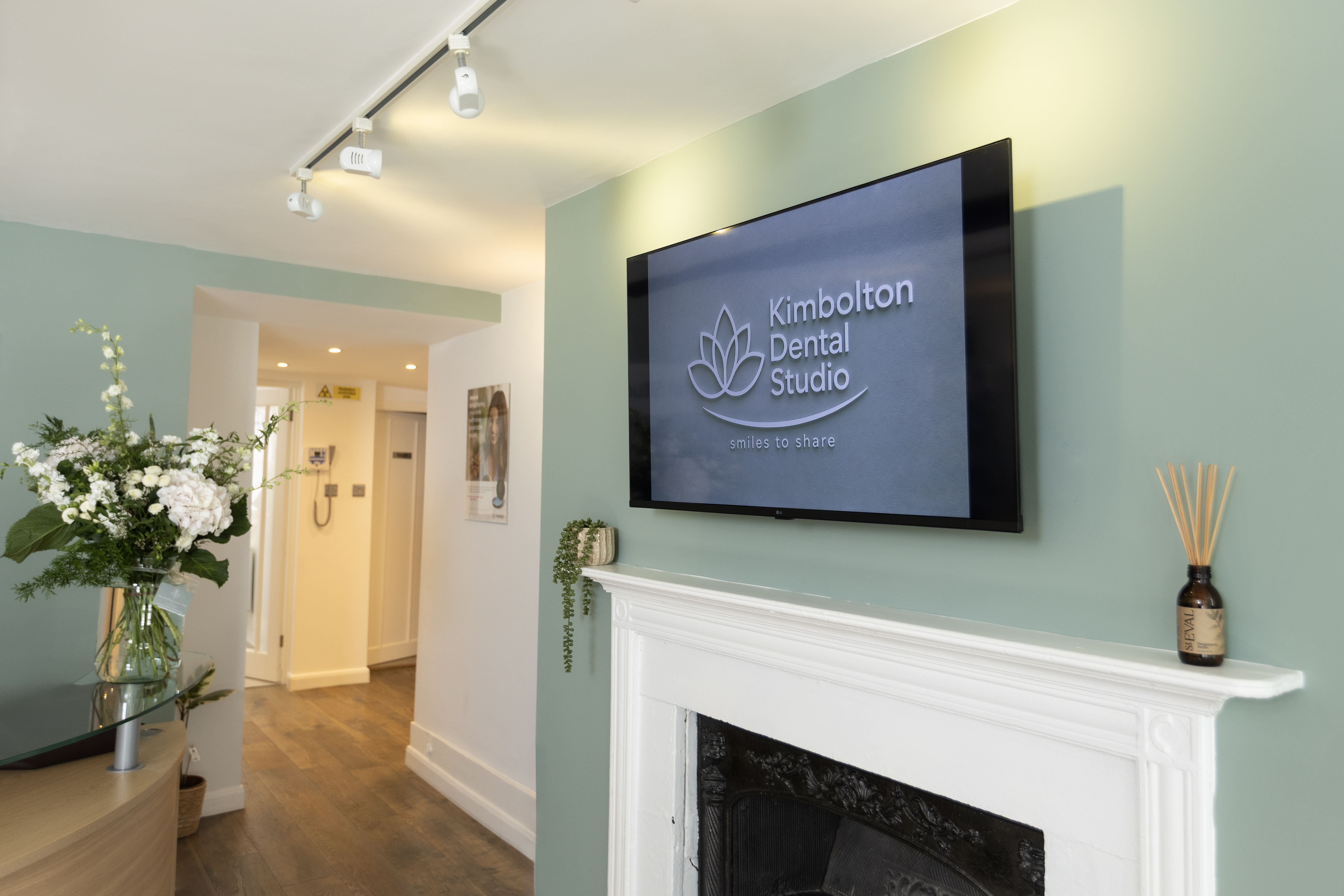
Whether you are joining us as a new patient, looking into how we support children or nervous patients, exploring Denplan membership or finance options, or simply have a question you would like answered, you will find guidance here – or you are always welcome to contact us directly and we will be happy to help.
We explain what happens at the first appointment and what to bring or complete before you attend.
See new-patient guidance ↗Understand likely costs, treatment planning and how plan options may suit your needs.
View fees ↗Common questions about appointments, nervousness, children and communication with the practice.
Ask the team ↗At Kimbolton Dental Studio, we believe good dental care should be available to everyone, and we are proud to be a genuinely inclusive practice. Every patient who comes through our door, whatever their age, background, ability or circumstance, is treated as an individual – listened to, respected, and given the time they need.
For us, inclusive dentistry means adapting to the person in front of us, rather than expecting them to adapt to a rigid process. That might mean a longer appointment, a quieter time of day, a chance to visit the practice beforehand without any treatment at all, or simply a dentist who takes a little extra time to explain things clearly and check in throughout.
This applies just as much to patients with additional or special educational needs, sensory sensitivities, or anxiety around dental visits, as it does to any other patient. We would rather build familiarity and trust gradually – even if that means several visits focused purely on getting comfortable in the chair before any treatment begins – than rush a process that leaves someone with a bad experience.
If you or a family member has particular needs we should know about, please do tell us when you book. We will do everything we can to make sure your visit is a positive one, because every patient deserves the chance to leave with something to smile about.

We love welcoming children to Kimbolton Dental Studio, and we believe that positive early experiences at the dentist set the foundation for a lifetime of good oral health – and a lifetime of feeling comfortable in the dental chair.
From a child’s very first visit, we take things at their pace. Early appointments are often simply about getting familiar with the surgery, meeting the team, and having a gentle look and count, with no pressure and no treatment unless it is needed. We want children to see the dentist as a friendly, unthreatening place to be, and we are always happy to explain what we are doing in a way that makes sense to them.
Whatever your child’s age or needs, our aim is the same: to help them grow up feeling relaxed about visiting the dentist, and proud of a smile they are happy to share.
If the thought of visiting the dentist makes you anxious, please know that you are far from alone, and you will find a genuinely understanding welcome here. Many of our patients tell us they were nervous before their first visit with us – and many of those same patients now come to us for years without a second thought.
We never rush a nervous patient. Your first appointment can simply be a chance to meet us, look around the practice, and talk through any concerns, without any treatment taking place at all if that is what you would prefer. From there, we will always explain what we are doing, step by step, and check in with you throughout any treatment, so you always feel in control of the appointment.
Small things can make a big difference: a longer appointment slot so nothing feels rushed, an agreed signal to pause at any point, or simply a dentist who takes the time to listen properly before picking up any instruments. Whatever helps you feel more at ease, please tell us – we would far rather adapt an appointment than have you avoid coming in.
Our experience with nervous patients extends to children too, including those who need extra time and patience to feel comfortable in the chair. Wherever you are starting from, our goal is simply to help you leave feeling a little more confident than when you arrived.
For many of our patients, Denplan offers welcome peace of mind: knowing that routine care is budgeted for each month, and often gaining access to worldwide dental accident and emergency cover as part of the plan. We are proud to be a Denplan practice and are always happy to talk you through the different plan options available, helping you choose the one that best suits your needs and your family.
We understand that the cost of dental treatment, particularly more involved cosmetic or orthodontic work, can be an important part of your decision-making. We want cost to be something you feel fully informed about, not something that catches you by surprise.
That is why we always talk through the likely cost of any recommended treatment plan in advance, along with any finance options available to help spread the payments in a way that suits your circumstances. If you have any questions about cost at any stage, please do ask us – we would always rather you felt able to raise it than worry in silence.
Below are some of the questions we are asked most often. If you cannot find what you are looking for here, please do get in touch – we are always happy to help.
This varies from person to person depending on your individual oral health, and we will always recommend a schedule that suits you rather than a generic rule.
Absolutely. Many of our patients felt the same way before their first visit. Just let us know when you book, and we will take things at your pace.
Yes, we warmly welcome children of all ages, including children with additional or special educational needs, and we are happy to adapt appointments to help them feel comfortable.
Yes, we are currently welcoming new private and Denplan patients of all ages.
We offer Denplan membership for routine care, as well as finance options for larger treatment plans – just ask us to talk you through what might suit you.
Of course. If having a friend or family member with you would help you feel more at ease, you are welcome to bring them along.
That is absolutely fine, and very common. We are far more interested in helping you get back on track than in anything that has happened in the past.